From the Archives revisits Seeso and argues the service failed because comedy didn't drive the repeat behavior a subscription model needs. It shows that Seeso had credible programming and a clear editorial identity, but the product never matched how audiences…
From the Archives revisits NBC’s DotComedy, an early attempt to build a digital-first short-form comedy platform before the infrastructure for online video was ready. NBC used it as a talent incubator and experimental content hub, but limited broadband, weak monetization…
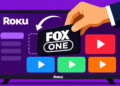
From the Archives examines how Roku’s shift from a neutral device to a platform control layer has moved power toward its owned interface, discovery, and monetization systems. The Roku Channel, subscription aggregation, and hardware-level distribution like remote shortcuts have positioned…
From the Archives revisits HDHomeRun as an early hybrid model that turned free over-the-air broadcasts into IP-based streams across connected devices. It showed how local infrastructure could replicate core streaming behaviors like multi-device access and DVR without relying on licensing…
From the Archives revisits Apple’s first-generation Apple TV rental system and how its download-based design and strict DRM rules limited where and how rented movies could be watched. The device required users to download films locally and tied playback to…
From the Archives revisits how Amazon introduced Amazon Channels in 2015 to address the growing fragmentation of streaming by allowing Prime Video users to subscribe to third-party services directly within Amazon’s interface. The model positioned Amazon as a subscription aggregator,…
From the Archives revisits Hulu’s 2008 launch as a joint venture between NBCUniversal and News Corp, which brought full-length, ad-supported broadcast TV online in a controlled, monetised environment. Hulu’s 2010 introduction of a subscription tier that retained advertising created the…
From the Archives revisits UltraViolet’s rise and collapse as Hollywood’s failed attempt to modernize digital ownership through a cross-retailer rights locker. Backed by most major studios, UltraViolet aimed to preserve transactional revenue and portability, but fragmentation, retailer instability, Disney’s launch…
From the Archives revisits Sling TV’s 2015 debut, when Dish Network launched a $20 internet-delivered bundle that kickstarted the skinny bundle era. By pairing major networks like ESPN with modular add-ons, Sling reset how live TV was packaged and distributed,…
From the Archives revisits Pivot, Participant Media's short-lived attempt to build a socially conscious cable network for millennials. Launched in 2013, Pivot aimed to disrupt linear TV with activist-driven content and digital features, but its reliance on traditional cable distribution…