
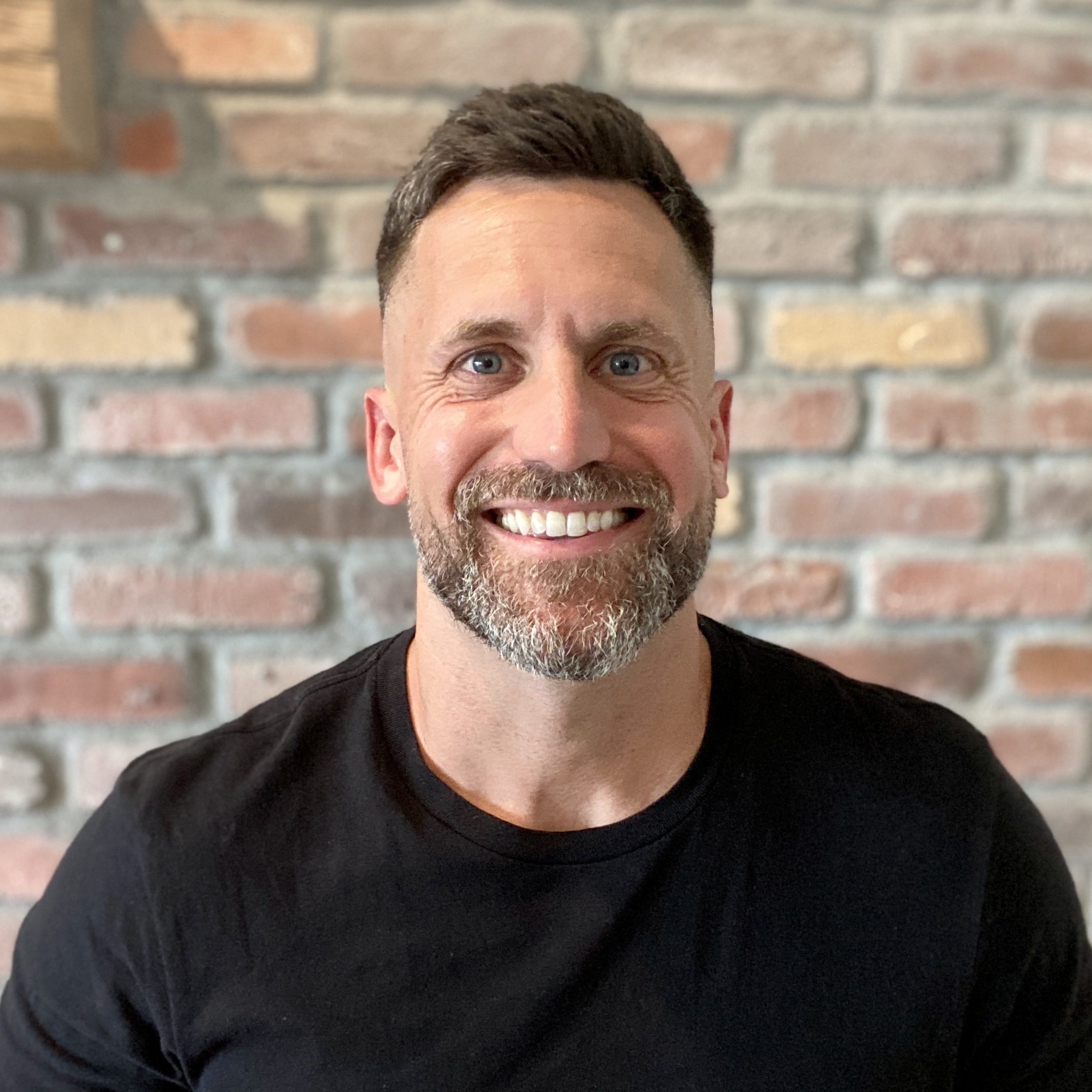

Reese Witherspoon is buying back Hello Sunshine with Mediawan for a reported low- to mid-eight-figure sum. Five years ago, Candle Media bought a majority stake in the company at a valuation north of $900 million.
That’s quite a discount for a business behind Big Little Lies, The Morning Show, and Reese’s Book Club.
The deal arrives as Disney signs a major creative partnership with Dude Perfect, Netflix prepares to hand roughly $20 billion in annual content spending to a new programming chief while cutting 1,000 jobs, and Berkshire Hathaway commits another $330 million to Bending Spoons, which owns Vimeo, Brightcove, and a growing collection of software businesses.
Those decisions say a lot about what buyers are willing to pay for, and what they’re increasingly comfortable getting through a contract.
Media companies still need programming, talent, franchises, and audiences. They’re getting more selective about how much permanent ownership those things require. A production company can have an impressive list of credits and still depend on Netflix, Apple, or another buyer approving its next project. A creator with an established audience can sell access to that audience without selling the business. A software company with renewable customer contracts gives its owner another set of financial levers entirely.
The critical question in an acquisition is how much revenue the buyer can collect and influence after closing, without relying on somebody else to commission the next hit.
Candle paid a premium for the possibility that Hello Sunshine could turn creative success into a larger, repeatable business. The price of getting that possibility wrong has become painfully clear.
Candle Bought the Hollywood Dream at the Worst Possible Time
Back in 2021, buying a successful production company seemed like a pretty good idea.
Netflix, Apple, Amazon, and everybody else with a streaming ambition needed programming. The race to build libraries created enormous demand for established producers, recognizable talent, and companies capable of developing projects that could attract audiences.
Hello Sunshine checked plenty of boxes.
Witherspoon had a strong Hollywood track record. The company had major TV credits, relationships with bestselling authors, and Reese’s Book Club, which had become a powerful source of literary discovery and consumer influence.
Candle Media, backed by Blackstone and led by former Disney executives Kevin Mayer and Tom Staggs, wanted to build something much bigger around those assets.
The plan combined production companies, digital audiences, consumer products, and commerce. The individual businesses would create opportunities for one another, generating revenue beyond the original shows and licensing agreements.
The idea had appeal. The economics proved a lot harder.
The reported eight-figure resale of Hello Sunshine puts a price on how much those expectations have changed.
Candle acquired a majority stake when Hello Sunshine was valued above $900 million. The financial terms of the new transaction haven’t been publicly disclosed, and the ownership structures aren’t identical, so the two figures don’t establish a precise investment loss.
But the valuation reset is enormous.
Hello Sunshine didn’t suddenly forget how to make TV. The company remained profitable, and Reese’s Book Club still has substantial consumer influence. It reaches approximately 6.2 million readers and has helped drive roughly $900 million in U.S. book sales.
The problem is how much of that commercial activity Hello Sunshine can actually turn into revenue for itself.
Book sales generate money for publishers, retailers, authors, and other rights holders. Hello Sunshine benefits from partnerships, audience relationships, and opportunities to develop adaptations, but influencing a purchase doesn’t automatically mean collecting the sale.
The same challenge shows up in scripted production.
A successful show can earn development fees, production revenue, and whatever additional participation the producer negotiated. Once the buyer controls the principal distribution rights, however, the producer’s opportunities to generate additional revenue from that property can be limited.
Another hit requires another development cycle, another buyer, and another financial commitment.
Candle wanted the economics of a repeatable consumer business. Much of Hello Sunshine’s revenue still depended on the economics of getting individual projects made.
Mayer acknowledged the problem last year when he said Hello Sunshine hadn’t delivered the returns Candle expected. The company also struggled to generate meaningful new revenue by extending premium scripted properties into social media.
Promoting a Prime Video drama on TikTok can help the show. Turning that promotional activity into an independently profitable consumer business is much tougher.
Mediawan and Witherspoon can approach Hello Sunshine with a different cost basis and a different set of operating expectations. Mediawan gains another U.S. production label and development relationships. Witherspoon increases her ownership role.
At the reported price, they don’t need to justify the same expectations Candle built into its 2021 acquisition.
A production company can be a good business at one price and an awful investment at another.
Candle got a very expensive reminder.
Disney Wants Dude Perfect’s Audience. Dude Perfect Gets to Keep It.
Disney’s new partnership with Dude Perfect is a useful comparison with what Candle was trying to build.
Dude Perfect has roughly 130 million followers and more than 22 billion lifetime views. The sports and entertainment creators have built a substantial business around YouTube programming, sponsorships, touring, consumer products, and other activities.
Disney wants access to that audience.
The new company-wide agreement covers entertainment, sports, consumer products, parks, and experiences.
Dude Perfect will create programming inspired by Disney franchises and events for its own channels. Disney gets selected existing videos for Disney+, ESPN, and its social properties, along with new content tied to major properties such as Avengers: Doomsday, Star Wars, and Super Bowl LXI.
The creators keep operating their own business.
That’s a pretty attractive arrangement for Disney. It can put major franchises in front of an established audience without having to acquire and operate another creator company.
Disney also gets programming it can distribute through its own services.
Dude Perfect, meanwhile, retains the channels, personalities, formats, sponsorship relationships, and consumer businesses that give it negotiating power in the first place.
The financial terms haven’t been disclosed, so there’s no basis for calculating the partnership’s return yet.
But the structure says something interesting about how Disney is approaching outside creative businesses.
Disney is paying to work with an audience that already exists and has demonstrated its ability to attract commercial partners.
Candle paid for the expectation that it could create additional audience-driven revenue by combining production, social media, and commerce businesses under one owner.
Those are very different levels of investment and risk.
Disney has already tested Dude Perfect’s ability to attract attention around its assets. A previous challenge to visit all 12 Disney parks in under 75 hours generated more than 13 million views during its first 24 hours.
That doesn’t establish how many park tickets or Disney+ subscriptions the audience ultimately purchased. It does provide evidence that Dude Perfect can generate significant attention around a Disney property.
For a creator company, having that kind of independent distribution changes the negotiation.
A production company depending on Disney to commission its next series needs the buyer’s approval to generate much of its future revenue.
Dude Perfect already has an audience, sponsored programming, and other commercial activity. A Disney partnership can add to those businesses without becoming their entire foundation.
That gives Dude Perfect options when negotiating licensing terms, sponsorship arrangements, exclusivity, and the use of its existing content.
Disney gets the benefit of the audience and creative work covered by the agreement. Dude Perfect keeps the business that made the agreement attractive.
There’s less need for either side to settle on a speculative enterprise valuation before they can start making money together.
Netflix Has $20 Billion to Spend and 1,000 Fewer People to Spend It
Netflix is doing something that would have sounded strange during the industry’s peak spending frenzy.
It’s planning approximately $20 billion in content spending for 2026, roughly 10% more than last year, while eliminating about 1,000 jobs across the company.
Then it replaced the executive responsible for overseeing that enormous programming budget.
Peter Rice will become Netflix’s chief content officer on October 26, succeeding Bela Bajaria and taking responsibility for global film, scripted TV, unscripted programming, and live events.
The leadership change puts a huge programming budget under new management at a time when Netflix is asking more from every dollar.
Second-quarter revenue grew 13%, and the company delivered a 33.4% operating margin. During the first half of the year, viewing hours increased just 2%.
Netflix can grow revenue through membership gains, higher prices, and advertising without requiring viewing time to increase at the same rate. That makes the contribution of individual programming investments increasingly important.
An expensive scripted series might keep households subscribed. A reality franchise might deliver steady viewing at a much lower cost. A major live event can generate new memberships and concentrated advertising demand.
Each has to compete for money.
The timing of Netflix’s workforce reduction adds another complication for suppliers.
Most affected employees worked in product, technology, legal, and human resources, although the cuts also reached parts of the film and TV organization. Netflix is reducing operating headcount while maintaining a massive programming budget.
That’s a lot of spending power concentrated in an organization under pressure to become more efficient.
And the types of programming competing for that money keep expanding.
Netflix also secured all 104 matches of the 2030 FIFA World Cup in Spain and Andorra. The agreement gives Netflix a major live event that can attract subscribers and advertising without requiring it to acquire a sports network or build a separate sports subscription business.
The rights fee hasn’t been disclosed.
The agreement doesn’t establish that Netflix will reduce scripted spending. It does put another major category of programming into the same broader capital allocation discussion.
For an independent production company, this creates a challenging negotiating environment.
Netflix can increase its total content spending while changing the mix of projects it commissions, the territories receiving investment, and the kinds of rights it wants to acquire.
A bigger budget doesn’t guarantee more business for any particular supplier.
Rice will inherit existing commitments, talent relationships, and programming teams that have already experienced cuts. Netflix hasn’t announced specific changes to its greenlight strategy under his leadership.
But the financial pressure is clear enough. New programming has to compete for a place in a portfolio that now includes traditional originals, licensed content, global sports, live events, creator programming, and other formats.
A production company selling into that market has to support its own development costs, overhead, and talent relationships while waiting for buyers to make those decisions.
A streamer can spread programming spending across thousands of projects and multiple categories. An independent studio has far less room for a few expensive disappointments.
That’s a difficult business to value at a premium when the customer controlling the next commission can change its priorities with a new programming chief.
Berkshire Is Still Happy to Buy Companies. Look at What It’s Buying.
Berkshire Hathaway just agreed to invest another $330 million in Bending Spoons, the Italian software company that owns Vimeo, Brightcove, and a growing collection of digital businesses.
The new investment follows Berkshire’s $600 million commitment during Bending Spoons’ July IPO. Berkshire will purchase 10 million newly issued shares at $33 each, taking its total investment to $930 million and its ownership to approximately 4%.
Bending Spoons plans to use the additional financial flexibility to support its acquisition strategy.
The latest Berkshire investment provides an interesting counterweight to Hello Sunshine’s resale.
Bending Spoons likes buying established digital businesses with paying customers, recurring revenue, and opportunities to improve their operations.
Its portfolio includes professional video businesses with enterprise customers, software products used by individuals and organizations, and tools whose customers pay for continued access.
Owning those companies gives Bending Spoons control over pricing, product development, customer retention efforts, and operating costs.
It can make decisions that directly affect the expenses and revenue of the businesses it has acquired.
An independent production studio has a different relationship with its customers. It can develop projects, cultivate talent, and negotiate better terms, but it can’t force Netflix, Apple, or Amazon to commission another season or approve the next series.
That’s a significant difference when an acquirer is trying to forecast future earnings.
Bending Spoons is also taking plenty of risk.
Its second-quarter revenue increased 126% year over year, largely because of acquisitions. Organic revenue grew just 3%. The company has accumulated billions in debt while buying businesses and restructuring their operations.
The new equity gives it additional financial flexibility without adding another loan, but it doesn’t guarantee that every acquisition will deliver the expected return.
Customers can cancel. Products can lose relevance. Cost reductions can damage the very businesses an acquirer is trying to improve.
Still, Bending Spoons has identified a specific operating opportunity: acquire established customer relationships, retain enough of their revenue, and improve the economics of serving them.
That opportunity is easier to evaluate when the buyer can examine contracts, renewals, revenue, and the cost of running the product.
Candle’s acquisition thesis depended much more heavily on generating new revenue streams from businesses that hadn’t yet demonstrated those economics at the scale needed to support their purchase prices.
Berkshire’s $330 million investment isn’t directly comparable to the reported Hello Sunshine sale price. It’s an equity investment in a publicly traded acquirer, while Hello Sunshine is a separate private-company transaction with undisclosed final terms.
The comparison is useful because it shows two different approaches to acquiring media-related businesses.
One buyer paid a large premium for what a collection of creative assets might eventually become.
The other is providing capital to a company that acquires existing software products and works to improve the revenue and costs it can directly manage.
In video, those acquisition opportunities increasingly sit in the technology and services businesses supporting production, delivery, and monetization.
The companies making the shows still have to earn another commission.
The Streaming Wars Take
The next independent-studio acquisition should separate the value of contracted business from the value of everything management hopes to build around it.
Signed production commitments, profitable library rights, existing licensing revenue, and commercial relationships with demonstrated earnings deserve one level of valuation.
Potential consumer-product businesses, speculative franchise extensions, projected audience monetization, and future commissions deserve another.
That second category introduces risks that an upfront purchase price can easily understate.
A buyer can address those risks through earn-outs, milestone payments, minority investments, and arrangements that leave some of the future performance risk with the seller.
Those structures also create tougher negotiations. Founders may want a larger guaranteed payment. Buyers will want protection against revenue that depends on approvals from other companies. Both sides will have to establish which rights, customers, and earnings actually belong to the business being sold.
Creator companies with established direct audiences have a different set of options.
When a creator can generate meaningful sponsorship revenue, distribute its own programming, and sell products independently, it has more reasons to protect ownership. A traditional media company may have to offer attractive licensing fees, franchise access, distribution, or other commercial opportunities to secure a partnership.
Those agreements can become substantial businesses without requiring either party to sell the entire company.
For production companies whose revenue still depends on commissioned projects, the pressure falls on retaining valuable rights, controlling overhead, and securing enough future work to support the operation between major releases.
And for companies considering acquisitions, a recognizable brand and a successful production history are only part of the financial case.
Hello Sunshine remains a legitimate production business with valuable relationships and recognizable properties. Its new owners may generate attractive returns at a much lower acquisition price.
Candle’s experience shows how expensive the gap can become between a successful creative company and the larger business an acquirer expects it to turn into.
Media buyers have plenty of ways to pay for programming, creative services, rights, and access to audiences. Owning the company supplying those things deserves an additional premium when that ownership produces economic benefits the buyer couldn’t secure through a commercial agreement.
At the next studio auction, the buyer should be able to identify which revenue will keep arriving without another streamer approving another project.
If the forecast depends on those future greenlights, put that value in the earn-out. Don’t pay for it at closing.
The Streaming Wars is intentionally ad-free
We don’t run display ads. Not because we can’t, but because we don’t believe in them.
They interrupt the reading experience. They cheapen the work. And they burn advertisers’ money on impressions nobody actually wants.
So we chose a different model.
We say the things people in this industry are already thinking but don’t say out loud. We connect the dots beyond the headline and focus on explaining why things matter to the people working in this business.
If you believe industry coverage can exist without clutter and interruption, you can support it here → SUPPORT TSW.
Support is optional. But it directly funds research and continued coverage — and helps prove this model can work.
Support TSW →