
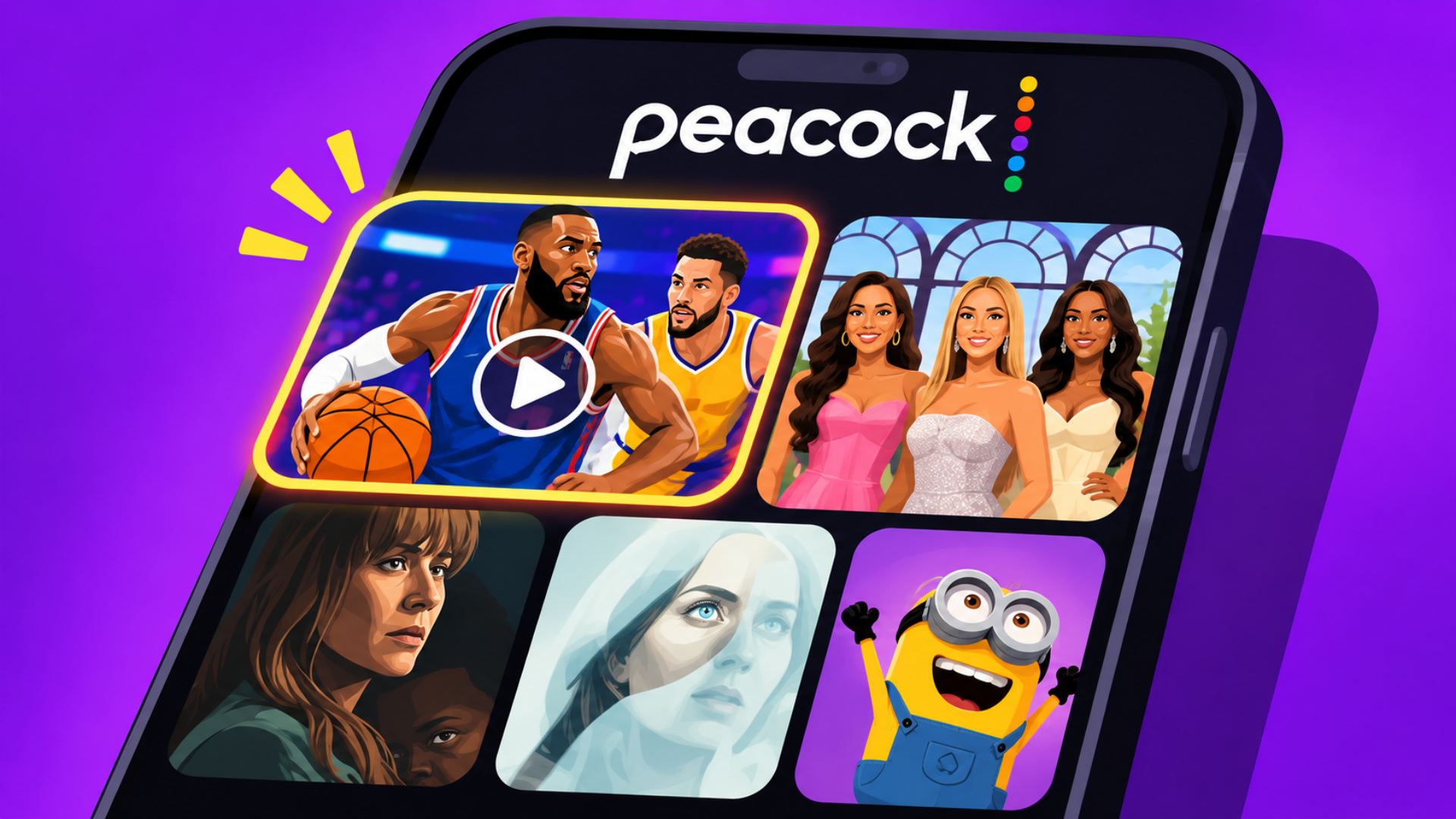
Peacock is rebuilding its mobile app so a sports highlight can lead directly into a live game and a Bravo clip can send viewers into a full episode. NBCUniversal is testing a redesigned homepage and conversational AI search, with adaptive live-video playback and franchise hubs scheduled to roll out in stages through early 2027.
The strategy is to turn quick mobile visits into longer viewing sessions that generate more advertising revenue and improve retention on programming NBCU already pays for. With Peacock holding at 48 million paid subscribers and a YouTube Premium bundle arriving in early 2027, the company needs to earn more from its existing audience while determining how much of that value it retains across distribution channels.
Peacock’s $18 Million Profit Cushion Makes Every Additional Hour a Margin Test
Peacock generated $261 million in adjusted EBITDA in the third quarter, following $189 million in the second quarter and a $432 million first-quarter loss. The service earned approximately $18 million through September on $5.8 billion in revenue, an adjusted EBITDA margin of roughly 0.3%.
The first quarter included the Winter Olympics, Super Bowl and NBA programming, concentrating substantial sports expenses early in the year. NBCU also earns returns on those rights through its broadcast and cable businesses, so Peacock’s results capture only part of the portfolio’s economics. Still, Peacock’s narrow nine-month profit puts pressure on NBCU to generate revenue between the events that attract large audiences.
Peacock finished June and September with 48 million paid subscribers on Comcast’s rounded figures. Roughly 40% use mobile regularly, and NBCU says about 80% of its subscribers have an ad-supported plan. More time spent watching can create additional ad impressions and make a subscription worth retaining without requiring equivalent customer-acquisition spending.
NBCU Media Group Chairman Matt Strauss has set a goal of gaining another hour of viewing per user each month. Subscribers who watch on both mobile and TV already show roughly twice the engagement of single-device viewers. The mobile rebuild aims to make that cross-device behavior more frequent and useful throughout the day.
Sports Highlights Need to Extend Live Viewing to Earn More Rights Revenue
Peacock’s clip viewing has more than tripled since 2024. During the 2026 Winter Olympics, 20% of viewers who watched highlight clips tapped directly into live coverage. That behavior gives NBCU a path from a brief mobile visit to a longer session it can monetize against rights it already carries.
The resulting revenue depends on what happens after the tap. More live minutes can create advertising inventory, but the contribution depends on viewing duration, ad fill and pricing, and whether the session adds viewing that wouldn’t otherwise have occurred. Moving an existing TV viewer to a phone can produce different economics from bringing an otherwise absent viewer into the broadcast.
Peacock’s April NBA test found that nearly 20% of viewers in the test watched at least part of a game vertically. NBCU now plans to test vertical live coverage for The Voice, NCAA basketball and golf, informing a Dynamic Video Player that switches formats with device orientation and keeps important action in frame. Future NBA games will also surface player statistics and game information beneath the live feed.
For live sports, the interval between a highlight and the event it promotes is short. A clip watched during a game can lead directly into that game’s broadcast, allowing NBCU to monetize time-sensitive interest before the event ends. The redesigned player reduces the effort required to make that transition on a phone.
Bravo’s Library Creates Viewing and Sponsorship Revenue Between Premieres
Peacock is extending the same discovery approach to entertainment through Franchise Hubs for The Traitors, Love Island USA, Minions and One Chicago. Each hub will bring episodes, clips, podcasts, games and related experiences into one destination, giving viewers reasons to return between premieres and use more of the catalog.
Bravo already demonstrates the potential depth of those sessions. NBCU says Bravo viewers average 24 hours of Bravo programming monthly and consume 92% more non-Bravo hours than Peacock viewers overall. That audience uses a favorite franchise as a starting point for watching elsewhere in the service.
Your Bravoverse, launched in October, gives Bravo fans personalized vertical clips linked to full episodes and earlier seasons, with an AI-generated Andy Cohen avatar providing commentary. Wendy’s signed on as its inaugural sponsor. NBCU can sell sponsorships within the browsing experience while directing viewers into programming it already controls.
Conversational search and the new homepage address the same economics from a different angle. Peacock is testing AI search that allows viewers to search by mood or theme and refine results, while Jump Back In makes unfinished programming easier to resume. The commercial benefit comes from additional program starts, longer sessions and recurring visits. Personalized feeds, AI-assisted reframing, games and microdramas also carry development and operating costs, so the incremental engagement has to support advertising revenue or retention that covers those expenses.
Live Rights Give Peacock a Time-Sensitive Advantage in Mobile Discovery
Netflix completed the global rollout of its Clips-enabled mobile redesign in August. Disney+ introduced Verts in March, and HBO Max began testing its own Shorts feed in July. Vertical clips are now a common way for streaming services to steer viewers from discovery into longer programming.
Peacock can connect that behavior to a game already underway. Its NFL, NBA and college-sports commitments provide appointment viewing that can convert a highlight into an immediate live session. Its entertainment franchises provide a second path into existing episodes and adjacent titles.
YouTube offers both short-form discovery and live or long-form viewing, with a much broader supply of creator video. Peacock has a more specific opportunity: connect the short-form attention generated by NBCU’s sports and franchises to programs whose advertising and subscription economics it can measure directly.
YouTube Expands Peacock’s Reach While Complicating the Direct Relationship
Beginning in early 2027, eligible U.S. YouTube Premium subscribers will receive ad-supported Peacock Premium through NBCU’s largest wholesale distribution agreement. The deal provides access to Peacock within the YouTube experience and extends the companies’ distribution and advertising-technology relationships.
YouTube can introduce Peacock to subscribers NBCU might otherwise have to acquire through paid marketing. The agreement also places some discovery and viewing activity inside a partner’s experience, while Peacock’s mobile overhaul is designed to make consumers open its own app more often.
A wholesale subscriber may deliver compensation and advertising revenue at a lower acquisition cost, but the outcome depends on the agreement’s economics and whether the bundle reaches new customers or replaces direct-paying ones. The companies haven’t disclosed wholesale compensation, advertising-inventory allocations or the extent of audience-data access.
NBCU and YouTube plan deeper advertising-technology collaboration, including FreeWheel. That could improve monetization across distribution channels. YouTube’s growing role as a subscription distributor also increases the importance of measuring viewing, advertising revenue and retention separately for customers reached directly and through the bundle.
The Streaming Wars Take
Future sports-rights negotiations will need to put a clearer value on mobile uses of live programming. Rights to create near-real-time highlights, reframe games vertically, offer alternate feeds and sell sponsorships around those experiences can extend the commercial life of an event beyond its primary broadcast. If those uses generate measurable incremental revenue, leagues and other rights holders will have reason to seek compensation for them.
NBCU will need to separate viewing added by mobile discovery from viewing shifted between devices, then measure sold advertising, cancellations and incremental technology costs. The same calculations should distinguish Peacock’s direct users from subscribers who encounter its programming through YouTube. Aggregate viewing hours conceal material differences in distribution costs and retained revenue.
Comcast expects to separate NBCU and Sky into an independent company by mid-2027, subject to approvals and other conditions. That business will have to allocate capital among sports rights, originals, film, technology and theme parks without relying on Comcast’s connectivity operations. Peacock’s thin nine-month adjusted EBITDA margin gives its future rights decisions less room for engagement that doesn’t translate into profit.
Demonstrating stronger clip-to-live conversion could make mobile rights more valuable to NBCU and more expensive to renew. Every future sports bid and distribution agreement will have to establish how much of the additional revenue NBCU can retain after paying the rights holder and the distributor.
The Streaming Wars is intentionally ad-free
We don’t run display ads. Not because we can’t, but because we don’t believe in them.
They interrupt the reading experience. They cheapen the work. And they burn advertisers’ money on impressions nobody actually wants.
So we chose a different model.
We say the things people in this industry are already thinking but don’t say out loud. We connect the dots beyond the headline and focus on explaining why things matter to the people working in this business.
If you believe industry coverage can exist without clutter and interruption, you can support it here → SUPPORT TSW.
Support is optional. But it directly funds research and continued coverage — and helps prove this model can work.
Support TSW →