
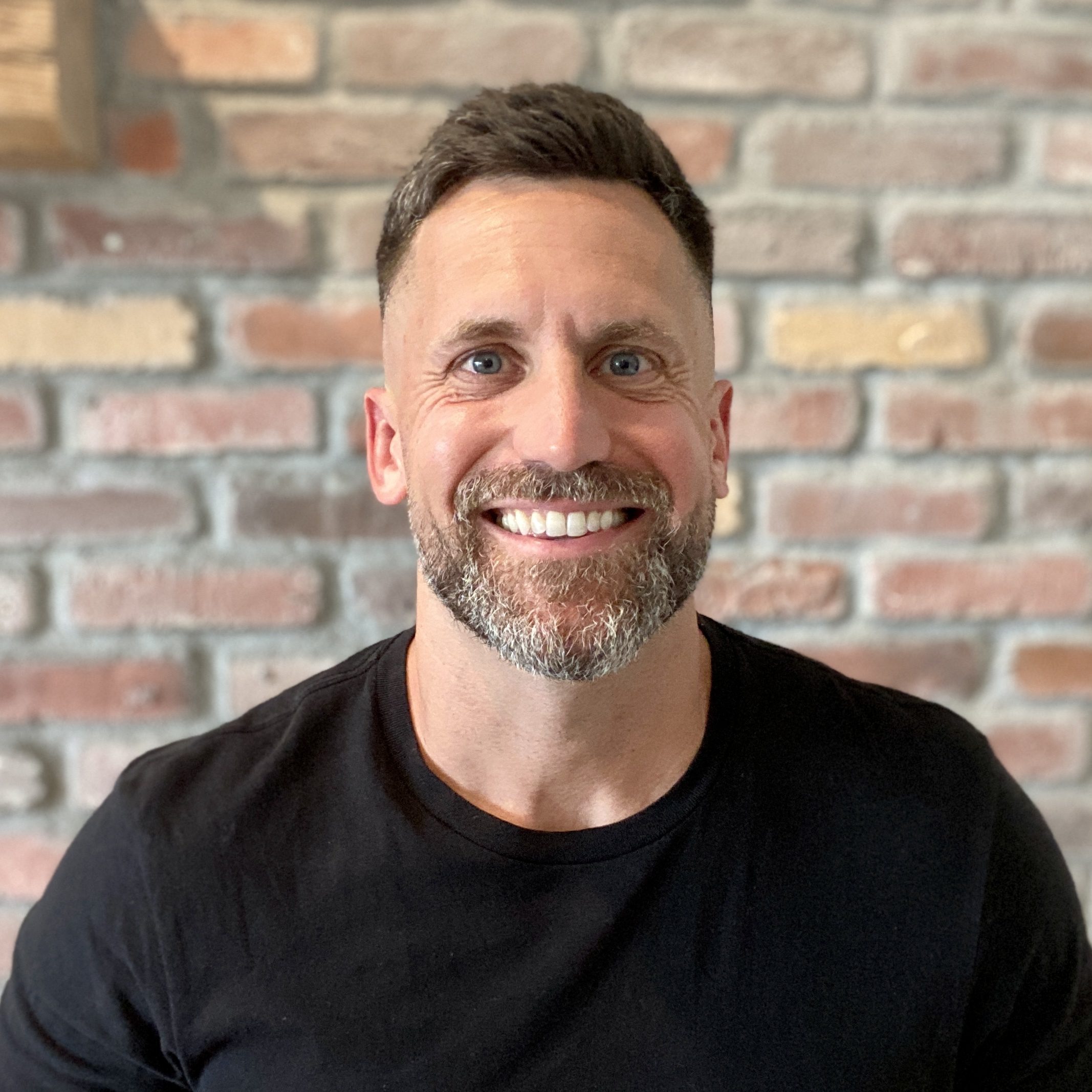
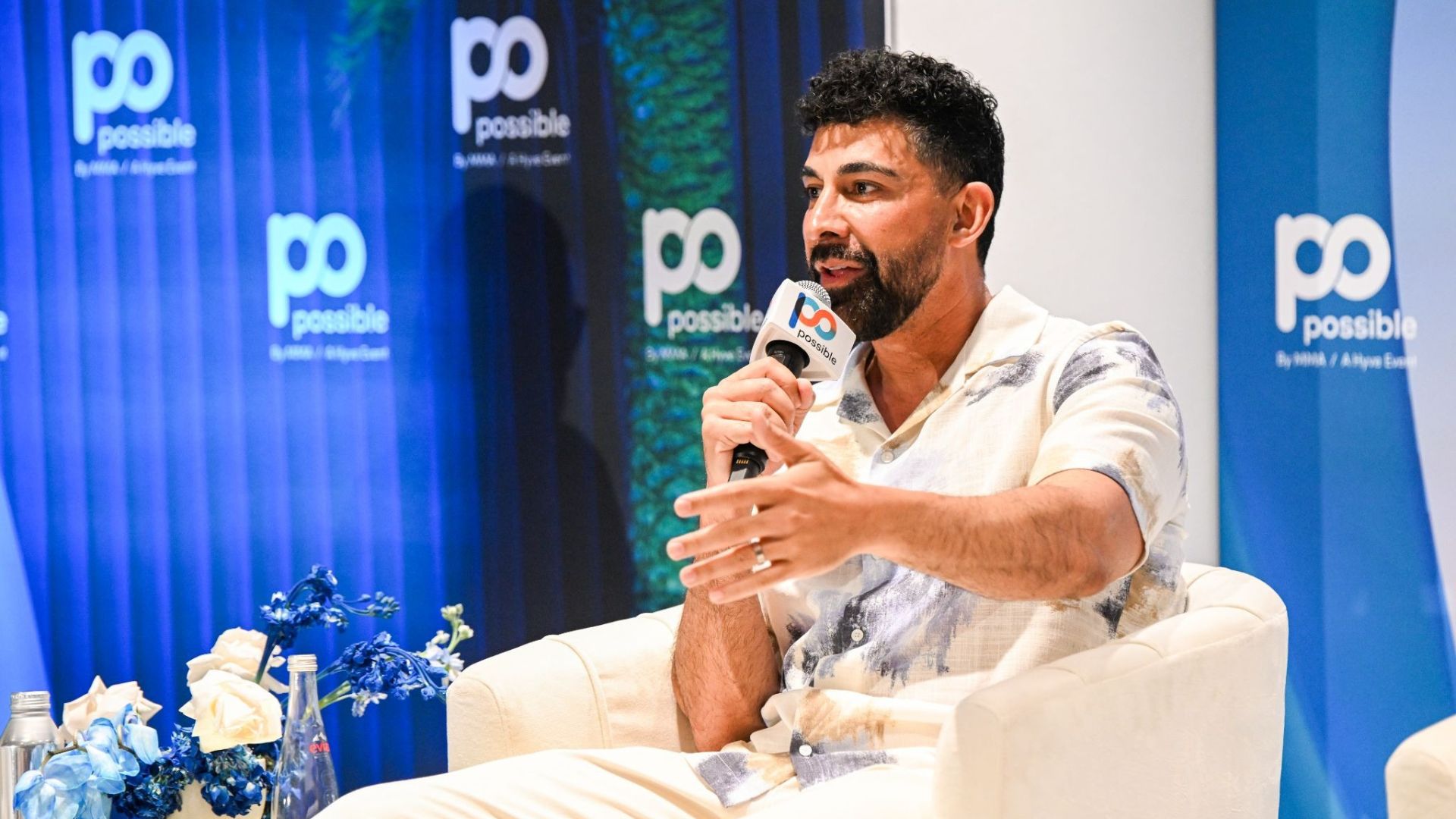
The POSSIBLE session titled “Deconstructing Successful Brand Partnerships on YouTube” wasn’t really about creator marketing. It was about how media dollars are getting allocated differently.
On stage, Dhar Mann talked about scaling long-form storytelling into a full production operation. Katie Feeney walked through building a sports audience that follows her across formats and events. YouTube and Influential framed creators as a direct line between content, distribution, and commerce.
The important shift is where the money goes. Brands are buying media that can show impact, not just media that can show reach.
Advertising Is Getting Priced Against Outcomes
The old unit of advertising is still everywhere. Pre-roll, mid-roll, sponsorship packages, CPM deals. Streaming services are built around it.
What’s changing is how that inventory gets judged.
The old model sells exposure. The newer model gets evaluated on whether exposure turns into something measurable like traffic, sales, or repeat engagement. That shift shows up directly in how budgets get allocated.
A streaming service isn’t just up against another video seller. It’s up against anything that can connect a viewer to an action and prove it. That includes creator-led content, retail media, and performance channels that sit much closer to the transaction.
When a buyer can see traffic, conversion, or downstream behavior tied to a piece of content, that becomes the benchmark. Everything else starts getting compared against it.
Streaming services sell access to attention. Creators sell the ability to move that attention somewhere.
Creators Aren’t Talent Businesses. They’re Vertically Integrated Media Companies
The way the market talks about creators hasn’t caught up to how they actually operate.
Top creators now run organizations with real scale. Dhar Mann described his studio footprint that spans more than 125,000 square feet, runs multiple productions at the same time, and delivers hours of long-form content every week
That scale isn’t just about output. It changes what they can do inside a single system.
They can develop ideas, produce them, distribute them across formats, integrate brands directly into the content, and then capture value on the back end through partnerships or commerce. The leverage comes from controlling the audience relationship, which everything else builds on top of.
This doesn’t look like the old aggregation model where creators got bundled together. Instead, individual operators are building vertically integrated media businesses and then plugging into platforms on their own terms.
In some cases, the creator is the studio, the network, and the ad product at the same time.
YouTube Is Packaging Trust Into Something You Can Buy
YouTube’s role in this system is straightforward. It takes all of that creator output and turns it into something that can be bought, measured, and scaled.
The product works because several pieces sit close together. Long-form content builds repeat viewing and routine. Short-form expands reach and feeds discovery. CTV extends viewing into the living room. Search and recommendations keep content active long after it’s published.
Dhar Mann pointed out that his audience returns for new releases and builds habits around that content, which is a different behavior than passive discovery.
On top of that, brands can track what happens after someone watches. That includes traffic, engagement, and in some cases conversion.
That combination reduces guesswork. The platform isn’t just delivering viewers. It’s giving buyers a clearer path from viewing to action, which makes it easier to justify spend.
The Ad Process Often Strips Out What Brands Are Actually Paying For
Dhar Mann’s point about the ad brief gets at why this model doesn’t translate cleanly into traditional systems.
The standard process runs an idea through multiple layers including legal, brand teams, agencies, and management. Each layer adds constraints, and those constraints reshape the output.
By the time it reaches the audience, the content often loses the tone and context that made it valuable in the first place.
This is an incentive problem. Brands optimize for consistency and risk control. Creators optimize for trust and engagement. Platforms optimize for watch time and interaction. When those incentives aren’t aligned, the output flattens and becomes interchangeable.
Creator partnerships work when the system allows the creator to maintain the relationship with the audience while the brand participates in it. Most streaming ad products don’t operate that way. They keep the brand outside the content and insert the message around it.
Creators build the message into the content itself.
If the Ad Lives Outside the Content, It’s Already Lost
Streaming services have added more ad formats over time, including ad-supported tiers, pause ads, and contextual placements. Those formats still assume the ad sits next to the content.
Creator integrations place the brand inside the content. When it works, the brand becomes part of the reason the content functions and not something layered on top of it.
That doesn’t always happen. Bad integrations are obvious and can hurt both sides. But the upside case is materially different because the viewer isn’t being interrupted. The viewer is watching a piece of content where the brand is already part of the experience.
That difference shows up in how the message lands and whether it drives anything afterward.
Budgets Are Moving Toward What Can Be Proven
The shift showing up at POSSIBLE is tied to how buyers are being trained.
Once part of the budget is tied to measurable outcomes, those expectations spread across the rest of the mix. It’s no longer enough to show that people watched something. The question becomes what happened next.
Creator-led campaigns can be tied to sales, traffic, engagement, affiliate activity, and long-tail performance. That doesn’t mean every campaign delivers clean attribution, but it means the conversation starts there.
When one channel can show movement and another can’t, the comparison becomes unavoidable.
The competition isn’t just for attention anymore. It’s for budgets that need to show results.
Creators Own the Relationship. YouTube Owns the System Around It
Creators don’t operate in a vacuum.
YouTube still controls discovery, recommendations, monetization tools, and measurement. It’s the layer that turns creator output into a scalable product that buyers can consistently access.
Creators bring the audience and the trust. YouTube turns that into something that can be distributed, measured, and repeated at scale.
That relationship shapes where dollars concentrate. The easier it is to buy, measure, and repeat, the more budget flows through that system.
YouTube doesn’t need to replicate a traditional streaming service to compete with one. It just needs to make video easier to justify as a line item.
Streaming Is Facing New Competition for Ad Dollars
Streaming services still offer scale and premium programming. That hasn’t changed.
What’s changing is how their inventory gets evaluated.
Trust sits with the content, not the ad environment, which means liking a show doesn’t automatically translate into accepting the surrounding advertising. Most ads remain separate from the story, which limits how much they can influence behavior.
Execution cycles are slower, and campaigns move through more layers, which reduces flexibility. At the same time, measurement expectations are rising as other channels provide clearer signals.
Discovery also remains largely contained within the app, while creator content moves across feeds, search, and social surfaces.
None of these issues are new. What’s new is that alternative systems are scaling without those constraints and setting a higher bar for what media needs to deliver.
The Streaming Wars Take
This wasn’t a creator story. It was a control story.
Production is moving closer to rights holders and leagues, as seen with moves like the PGA Tour building its own production infrastructure to supply content directly to partners
Distribution is getting bundled and repackaged by aggregators and retailers. Discovery is increasingly shaped by recommendation systems and interfaces. Monetization is shifting toward systems that connect content to measurable outcomes.
Creators have turned audience trust into something that can be packaged and sold. YouTube has built the system that scales it.
Streaming services still sit at the center of premium video. But they’re being compared against systems that do more than deliver viewers. They deliver a clearer path to action.
That doesn’t remove the value of streaming inventory. It changes how that inventory gets judged. And once the comparison shifts, the money follows it.
The Streaming Wars is intentionally ad-free
We don’t run display ads. Not because we can’t, but because we don’t believe in them.
They interrupt the reading experience. They cheapen the work. And they burn advertisers’ money on impressions nobody actually wants.
So we chose a different model.
We say the things people in this industry are already thinking but don’t say out loud. We connect the dots beyond the headline and focus on explaining why things matter to the people working in this business.
If you believe industry coverage can exist without clutter and interruption, you can support it here → SUPPORT TSW.
Support is optional. But it directly funds research and continued coverage — and helps prove this model can work.
Support TSW →